Forsyth Tech News
Rising to Challenges, Forsyth Tech Leads Nation in Approved Workforce Pell Programs

Forsyth Tech News
Forsyth Technical Community College has become the first college in North Carolina to receive U.S. Department of Education approval for the newly created Workforce Pell program. That is no small feat. To earn approval, programs must clear strict state and federal standards, and colleges across the country have struggled to meet them. With six approved programs, Forsyth Tech now has more federally approved Workforce Pell programs than any other college in the country, and its approval makes North Carolina the fifth state in the nation with federally approved programs.
That approval could make a real difference for students like Sydney Webb who would have benefitted from financial aid. When the 26-year-old bartender returned to school to become a certified nursing assistant, she had to save for months. On top of the registration fee, she paid for a background check, scrubs, a stethoscope and the state certification exam, all while cutting her work hours in half to attend class.
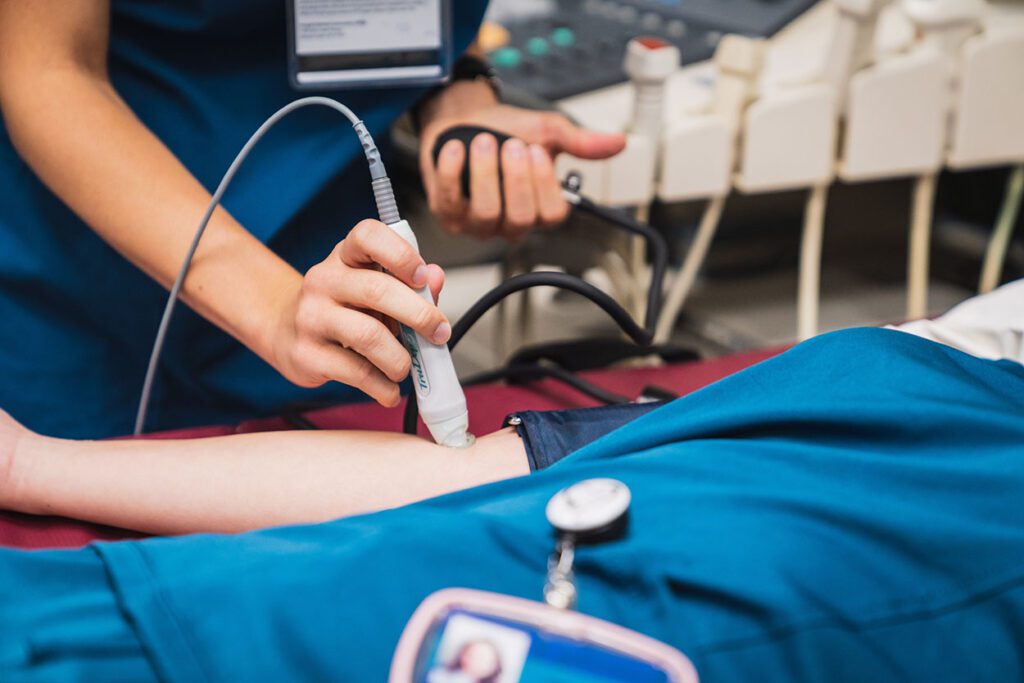
Because the program lasts only eight weeks, Webb could not use a need-based Pell grant to help cover costs. For decades, Pell grants have been limited to programs lasting at least 15 weeks, leaving students in shorter workforce training programs to pay their own way. For working adults like Webb who need to start earning quickly, that gap can put job training out of reach. Workforce Pell was designed to change that. Signed into law on July 4, 2025, as part of the One Big Beautiful Bill Act, it expands the Pell grant program to cover shorter training programs.
When the Workforce Pell rollout began in July 2026, Forsyth Tech President Dr. Janet N. Spriggs thought the hardest part, getting the law through Congress, was behind her. She soon learned otherwise. The federal standards are strict, and colleges across the country are struggling to put the program into practice. Each program must win approval from both the state and the U.S. Department of Education, and the bar is high. Programs must last eight to 15 weeks, lead to stackable credentials and show a year of successful operation. Once approved, they must meet ongoing benchmarks: the college must deliver 75% of the instruction, 70% of students must finish the program and 70% of graduates must find jobs within six months. Meeting those standards means tracking student outcomes closely and, in some cases, rebuilding programs from the ground up.
Approval is only part of the picture. Many of the people Workforce Pell is meant to help do not know it exists. At a community event this spring, Devin Purgason, who leads marketing and outreach at Forsyth Tech, met a woman who was caring for her mother, working part time and hoping to start a healthcare career without taking on debt. When Purgason mentioned that Forsyth Tech’s eight-week certified nursing assistant program might soon qualify for federal financial aid, she was surprised. She had assumed Pell grants were only for traditional college students.
Her reaction stayed with Purgason. “The policy is real. The funding is real. The awareness is not,” he said. Getting the word out is now one of Forsyth Tech’s top priorities, and Purgason began building an outreach campaign long before any programs were approved. The campaign centers on a simple message: College could cost you nothing. It is aimed at adults who do not think of themselves as college students or who assume they would not qualify for aid, people like the woman he met that spring. Now the campaign is underway, spreading that message on social media, through year-round outreach and through partnerships with employers, congregations, community groups and state efforts such as NC Reconnect.
Those efforts build on a hard-won achievement. Few colleges have cleared the high bar for Workforce Pell approval, and Forsyth Tech’s success in doing so has made it a national leader. For Dr. Spriggs, the real measure of that success is what it means for students who need fast, affordable paths to good jobs.
Interested in Workforce Pell? Take a look at Forsyth Tech’s six approved short-term workforce training programs here.
To get started: